To prepare myself for my sabbatical leave I created a series of brief Bible readings and reflections-one for each day. They’re based around our six values as a church. I made them available to our church, and if you’re interested you can follow them here.
Today’s reaching was a short extract from the start of Ecclesiastes 3 verse 1: “There is a time for everything, and a season for every activity under the heavens…”
The first 8 verses are a polarised poem – a series of events are set in opposition to each other with the common theme that there’s a time for all of them. It has often been presented to me as a beautiful poem that speaks of the order and predictability of life. Everything has its time and place.
The binary nature of the poem doesn’t reflect life, though, does it? Yes we’re born and we die, but there’s a lot that happens in between! Between weeping and laughing are a lot of other emotional actions. Clothes get torn and mended, but they also get worn, washed, dried, ironed… You get the point.
The Bible does use this poetic device to include everything in between. In Genesis 1 we read of God seemingly creating things in a binary fashion that doesn’t reflect reality: day and night, but what about dawn and dusk; land and water, but what about tidal areas, swamps etc; sea creatures, birds of the air and land animals, but what about amphibians, flying animals and so on…? These are not binary poles so much as all-encompassing parameters.
The book of Ecclesiastes is about the search for meaning in life and the writer (the ‘thinker’) almost always concludes his ponderings with these words: “meaningless, everything is meaningless.” So this poem, if we read it with delight and positivity, is out of character with most of the rest of the book. So what might it mean if it’s not lovely and fluffy?
It seems to me that it’s about the relentlessness of time and life and how we’re not really in control as much as me think we are. The metronomic rhythm persists and shows no sign of slowing down-like a runaway train, where we’re mere passengers.
(If that’s a depressing thought skip to the end of Ecclesiastes where the thinker realises that the meaning of life is to live in the relationship with God for which we’ve been created – there is hope!)
But there’s one couplet in the poem that’s always puzzled me, and I’ve yet to find a satisfactory answer.
verse 5: ” … a time to scatter stones and a time to gather them…”
What?
I can understand gathering stones to improve land for crops, to get stones to build walls or even to make an altar. Perhaps gathering stones so you can throw them at birds or animals to scare them away (or topple giants in the style of David), or even to skim them across water.
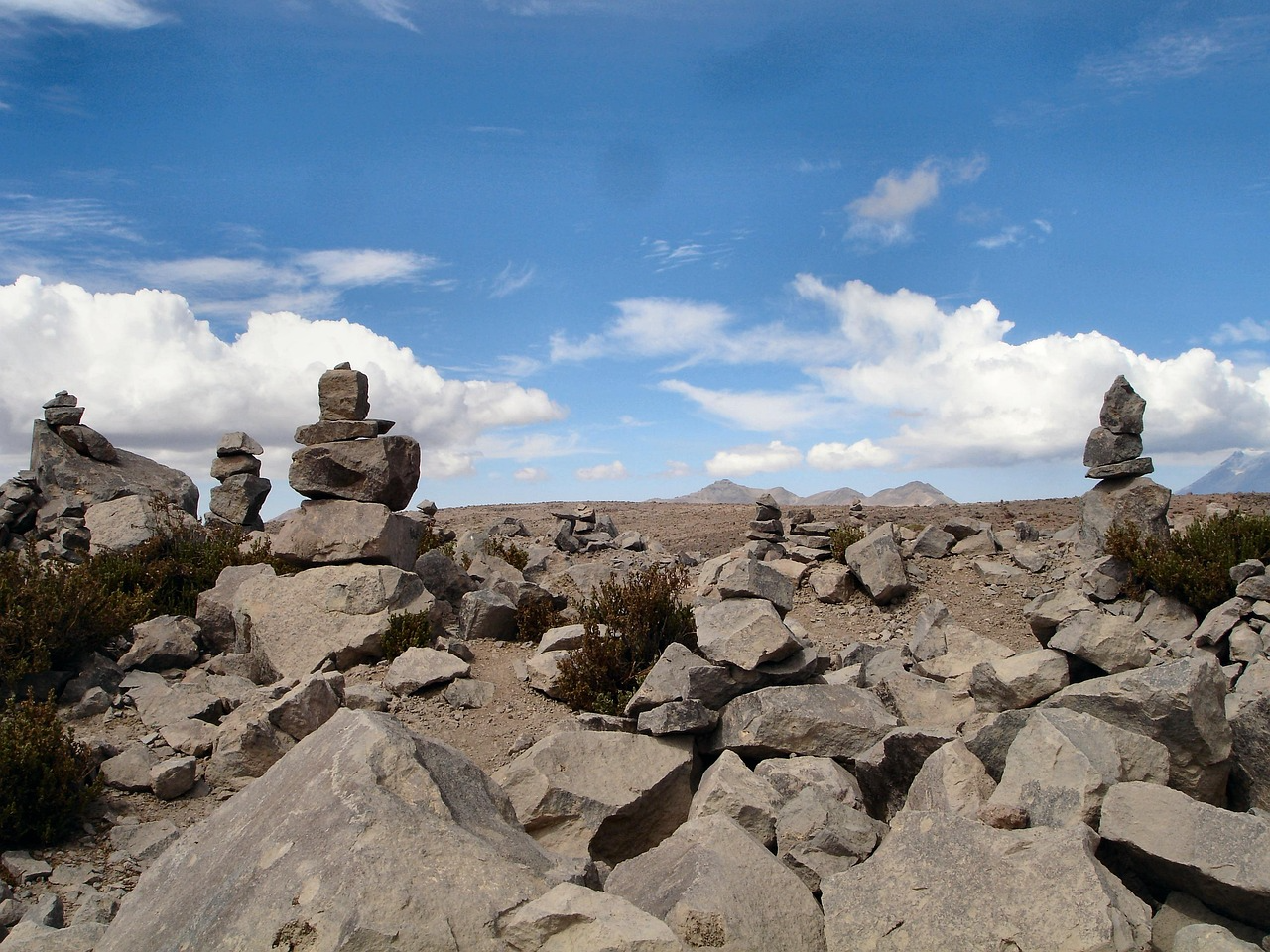
But what’s the time for scattering stones all about?
Some suggest it’s a way of making land more difficult to farm for an enemy by scattering stones on their fields.
Do you scatter them on a muddy path to make it more navigable in wet weather?
Is scattering stones just about getting rid of them?
I’ve even come across some who suggest it’s a euphemism for procreation (like scattering seed) but that seems highly unlikely to me and one commentator called the suggestion ‘fatuous’!
My favourite thought is that it’s about sorting through a big pile of stones for the right one, like searching for right piece of Lego(TM) in a big box of the plastic bricks. That thought has taken on a new level of intrigue when I put it alongside these words that are attributed as a prophecy about Jesus: “The stone the builders rejected has become the cornerstone.”
What do you think?
Be blessed, be a blessing


Leave a Reply